
Commercial curtain and blind recycling across the South West
Curtains & Blinds Recycling — Cornwall & South West
Curtains and blinds are routinely sent to landfill during refurbishments, property clearances, and end-of-tenancy turnarounds — despite being largely recyclable. For landlords, letting agents, hotels, schools, and facilities managers across the South West, Cornwall Recycling Group offers a practical alternative.
Why Recycle Your Textiles?
What we accept:
Curtains — all fabrics and sizes
Blinds — fabric, roller, and venetian
Mixed soft furnishing loads including curtains
End-of-refurbishment clearance loads
Coverage:
Collections across Cornwall and the wider South West. Commercial volumes only.
Who it's for:
Landlords and letting agents, hotels and hospitality businesses, schools and universities, facilities managers, and local authorities managing property portfolios across Cornwall and the South West.
Textiles are one of the most resource-intensive materials on the planet to produce. Every kilogram of fabric that ends up in landfill represents wasted water, energy, and raw materials — resources that could be recovered and returned to the supply chain if the right recycling route is in place.
The scale of the problem is significant. Across the UK, an estimated 350,000 tonnes of clothing alone goes to landfill every year. When you add carpets, curtains, bedding, uniforms, and industrial textiles into the picture, the volume of recoverable material being lost is enormous — and much of it is happening in businesses and organisations that simply don't have an accessible, affordable recycling option in place.
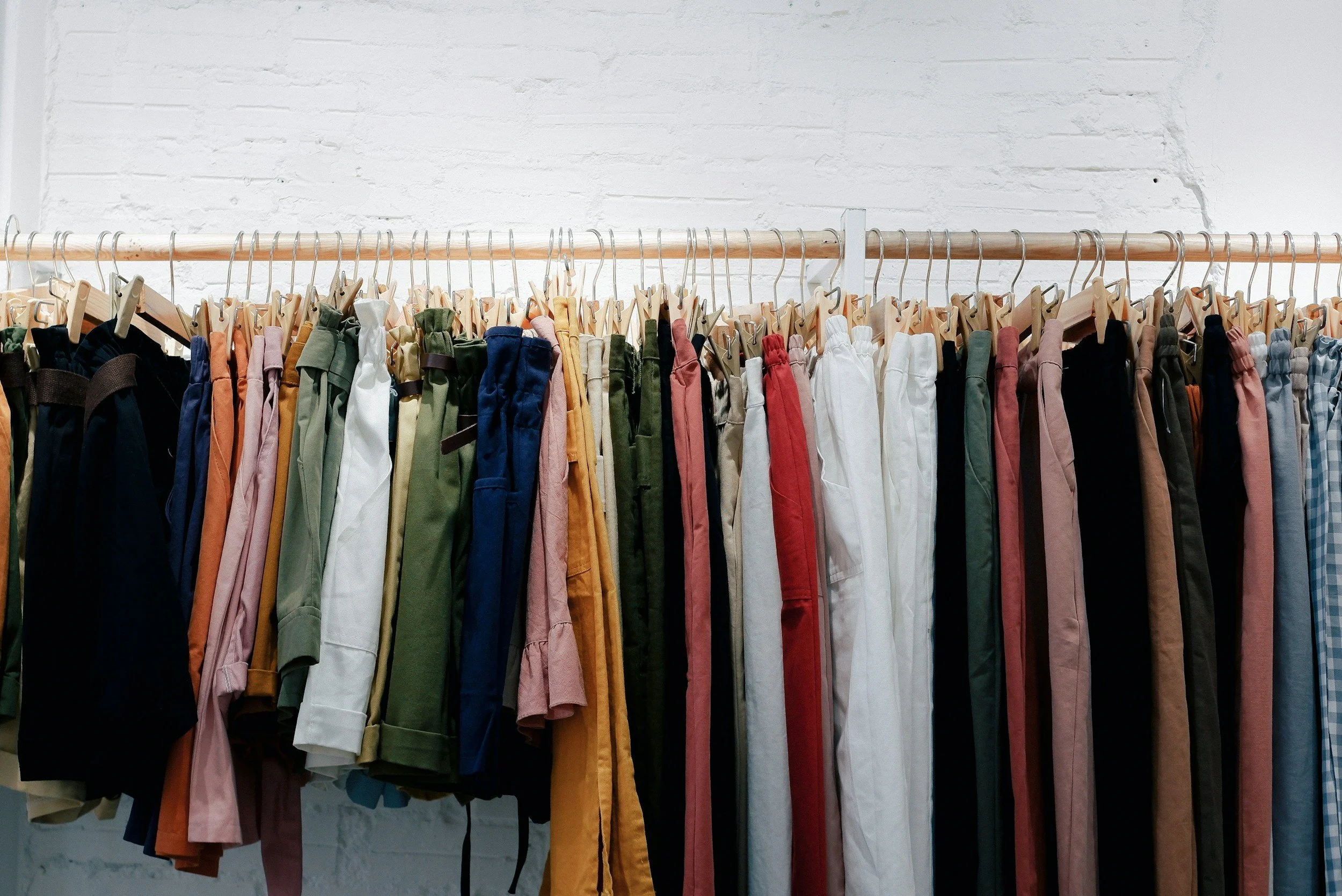

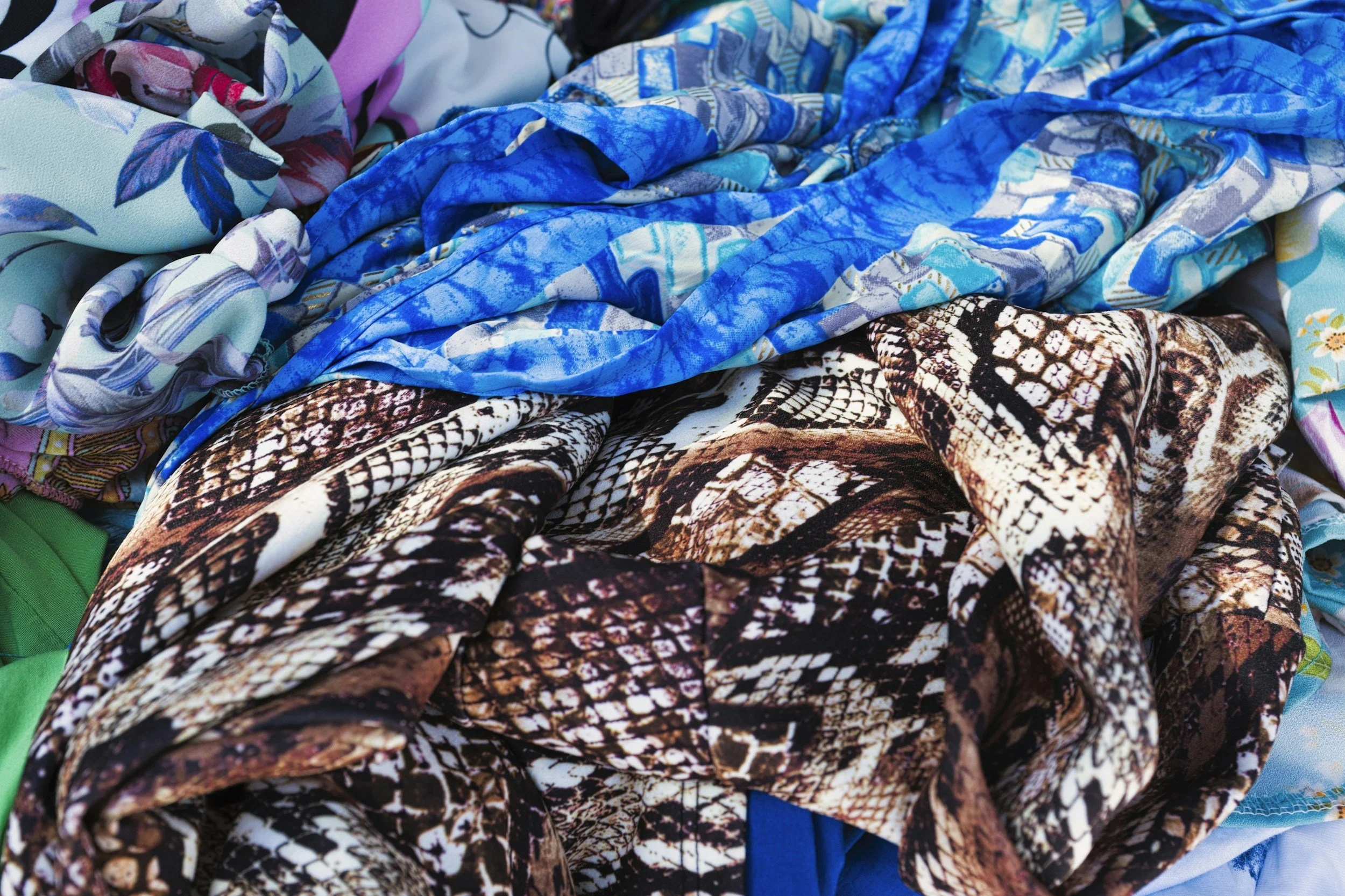
In the South West, accessible textile recycling for commercial volumes has historically been difficult to find. Collections have been expensive, processors have been distant, and the result has been predictable — textiles going to landfill not because businesses don't care, but because the alternative has felt too complicated or too costly.
Recycling your textiles has three clear benefits for your business. First, it diverts material from landfill — reducing your environmental footprint and supporting your sustainability commitments. Second, it keeps you on the right side of your duty of care obligations — with documented waste transfer notes for every collection. Third, it positions your organisation ahead of incoming regulatory changes that will increasingly require businesses to take responsibility for the end-of-life management of the textiles they use and produce.
The good news is that with Cornwall Recycling Group, commercial textile recycling across the South West is now straightforward. We handle the collection, the documentation, and the processing — so you don't have to.
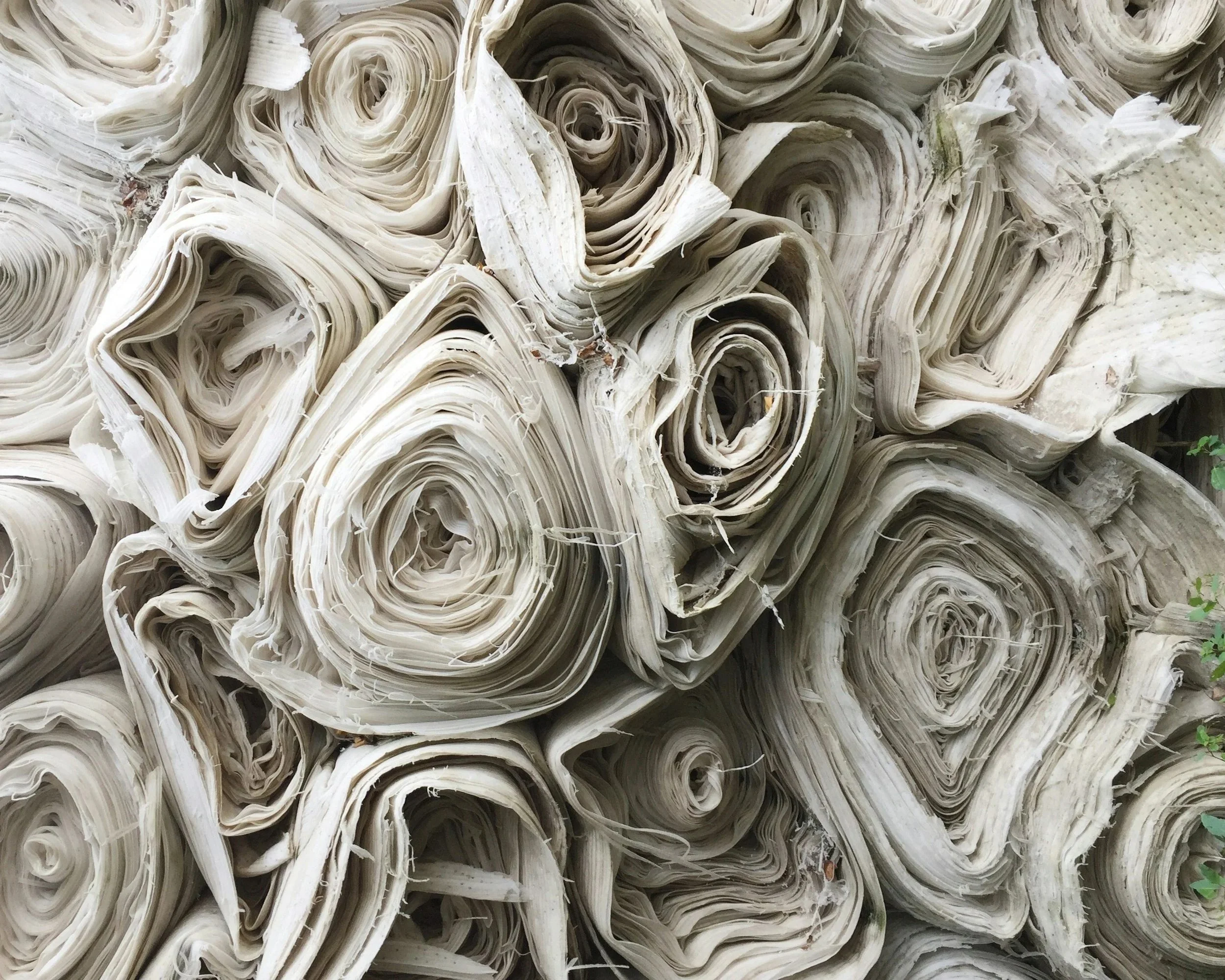
EPR & Textiles — What Businesses Need to Know
Extended Producer Responsibility — EPR — is the regulatory framework that places responsibility for the end-of-life management of products on the businesses that produce, import, or sell them. You'll likely already be aware of EPR in the context of packaging, where new obligations have been rolling out across the UK. Textiles are next.