The Waste Problem Nobody in the South West Is Talking About
Drive along almost any rural road in Cornwall and you'll see it eventually. A rusting hulk of a boat slowly sinking into a riverbank. A pile of tyres dumped in a lay-by. Solar panels stacked against a hedge, going nowhere. These aren't isolated incidents - they're symptoms of a waste management problem that has been quietly growing across the South West for years.
It isn't that people don't care. Most businesses, landowners, and contractors we speak to care a great deal about doing the right thing with their waste. The problem is that doing the right thing in this part of the world has become genuinely difficult - expensive, complicated, and in some cases nearly impossible without the right connections.
That's the problem Cornwall Recycling Group was built to help solve.
Geography is working against us
The South West has a geography problem when it comes to waste. Cornwall alone stretches over 1,300 square miles, much of it rural, much of it remote. Getting waste from a farm near Land's End or a marina on the Helford to a specialist processor isn't straightforward — and the cost of doing it legitimately can be eye-watering.
For many businesses, the economics simply don't stack up. A specialist collection for a relatively small volume of material — WEEE, batteries, solar panels — can cost more than the material is worth when you factor in the distance involved. And so materials sit. They accumulate. And eventually, sometimes, they end up somewhere they shouldn't.
This isn't unique to Cornwall. Across Devon, Somerset, Dorset, and the wider South West, businesses regularly find themselves paying inflated prices for collections because the nearest licensed processor is a hundred miles away. Materials that could and should be recovered are instead driven past multiple potential recycling facilities on their way to a distant processor — or worse, they're handed to an unlicensed operator who quotes a fraction of the legitimate price and asks no questions.
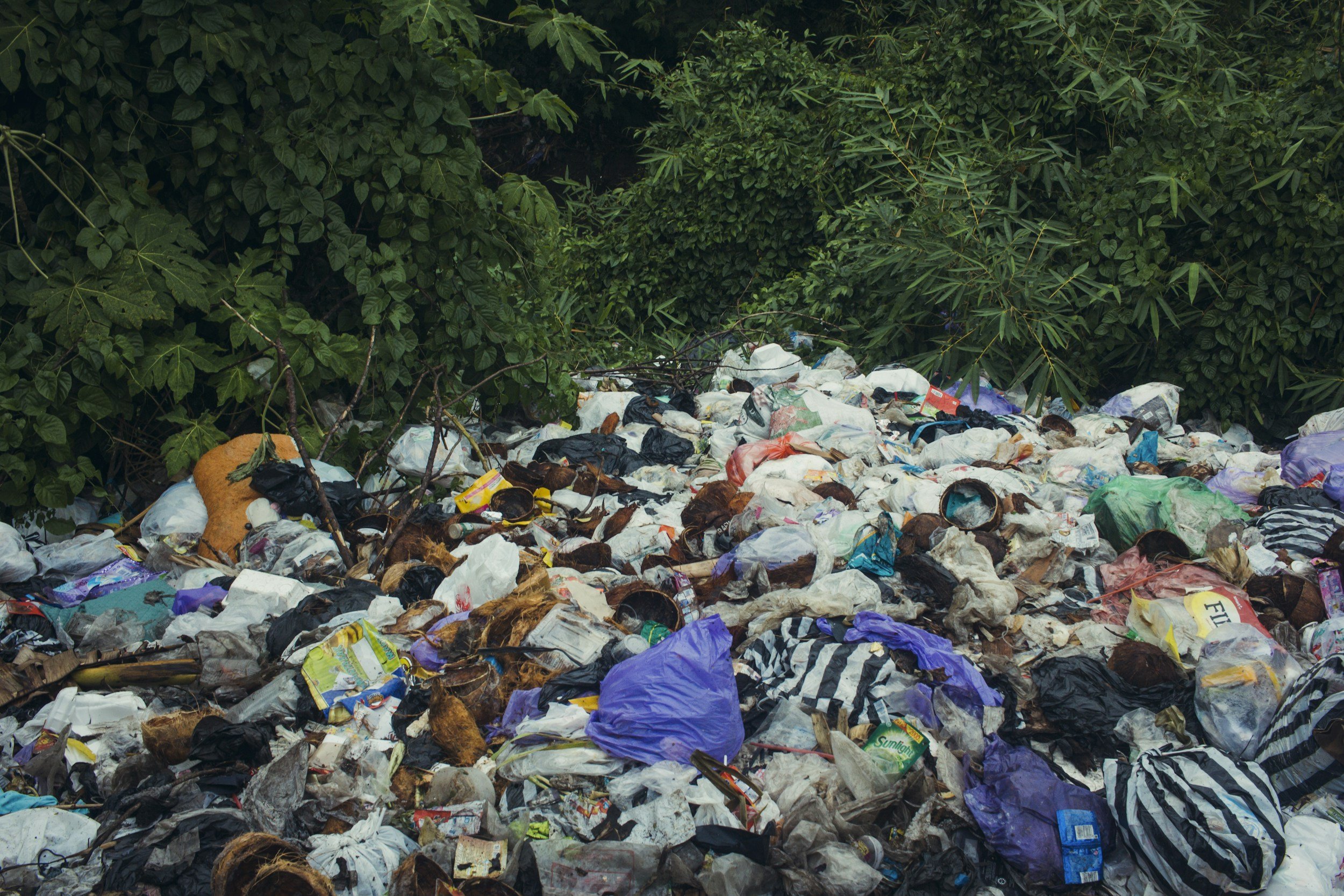
Illegally dumped waste.
The unlicensed operator problem
The waste industry, like many industries, has its share of operators who cut corners. In the South West, where legitimate licensed capacity has historically been limited and collection costs are high, unlicensed operators have found a ready market.
The pitch is simple: they'll take your waste for less, often significantly less, than a licensed carrier. No paperwork. No questions. For a business under cost pressure, it can be a tempting offer.
The consequences, however, fall on everyone. Waste handled by unlicensed operators frequently ends up fly-tipped — on roadsides, farmland, and in some cases in rivers and coastal areas. The environmental damage is real and lasting. And the legal exposure for the business that handed over the waste is greater than many realise. Under the duty of care legislation, simply paying someone to take your waste away is not enough. If that waste is subsequently fly-tipped, the business that produced it can be held partially liable — regardless of whether they knew the operator was unlicensed.
We've seen the results of this first-hand. Abandoned boats at harbours and river moorings — left because legitimate decommissioning felt too complicated and too expensive. Fly-tipped loads of materials that had genuine recycling value if only they'd reached the right destination. It's wasteful in every sense of the word.
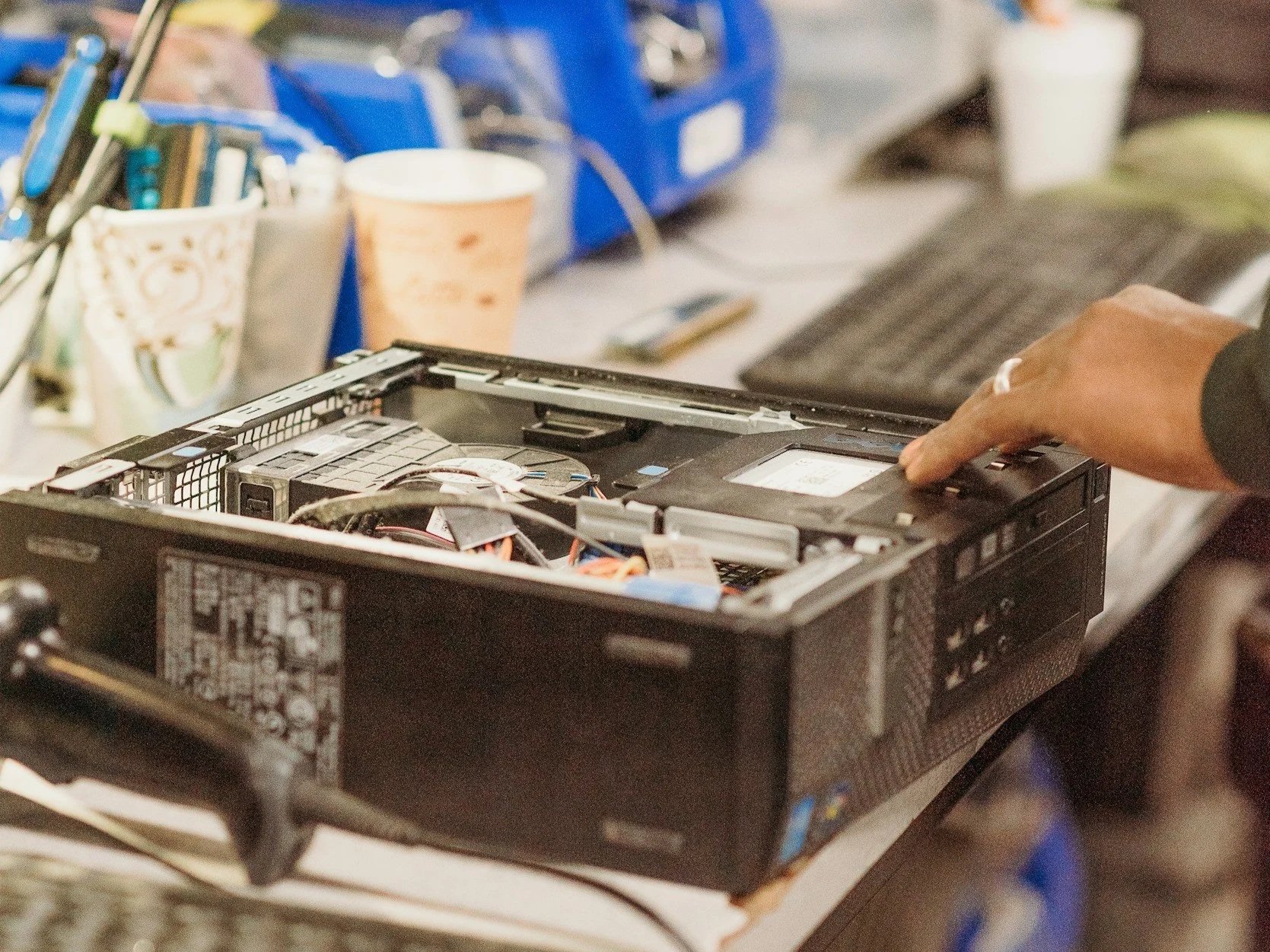
Materials with value going nowhere
Perhaps the most frustrating aspect of the South West's waste problem is how much of what ends up in landfill — or worse, fly-tipped — has genuine recoverable value.
Scrap metal. End-of-life vehicles. Solar panels. Textiles. Batteries. These are not waste in any meaningful sense of the word. They are resources — materials that, with the right handling, can be recovered, reprocessed, and returned to the supply chain. The infrastructure to do this exists. The market for recovered materials exists. What has been missing, too often, is accessible, affordable, and legitimate collection and processing capacity in the South West itself.
The result is a situation where valuable materials are either sitting unused, being driven hundreds of miles to distant processors at significant cost and carbon impact, or disappearing into the hands of operators who have no intention of recycling them properly. None of those outcomes serve the businesses involved, the communities around them, or the environment.
A bigger solution is needed
Cornwall Recycling Group doesn't claim to be the answer to all of this on its own. The challenges facing waste management in the South West are structural — they reflect decades of underinvestment in regional recycling infrastructure, a complex regulatory landscape, and the very real difficulties of operating in a geographically remote part of the country.
What we can do — and what we are doing — is make legitimate, specialist recycling more accessible for businesses across the region. Our Truro yard has been part of Cornwall's recycling landscape for over 30 years. As a licensed waste broker as well as an operational yard, we can connect businesses with the right processing route for almost any material — reducing the distance waste travels, reducing the cost of legitimate disposal, and reducing the temptation to cut corners.
We accept a wide range of materials that have historically been difficult to recycle locally — solar panels, boats, batteries, WEEE, textiles, and more. We provide correct waste transfer documentation on every job. And we're building the processor relationships and regional capacity that the South West needs more of.
The problem of waste mismanagement in Cornwall and the South West is real. It's visible on our roadsides, our riverbanks, and in the compliance anxiety of businesses who know they should be doing better but aren't sure how. We're here to be part of changing that — one collection, one contract, one recovered material at a time.
Cornwall Recycling Group is based in Truro and provides recycling, waste collection, and brokerage services across Cornwall, Devon, and the wider South West. Get in touch to discuss your requirements.